
Understanding Color Psychology in Vehicle Wraps
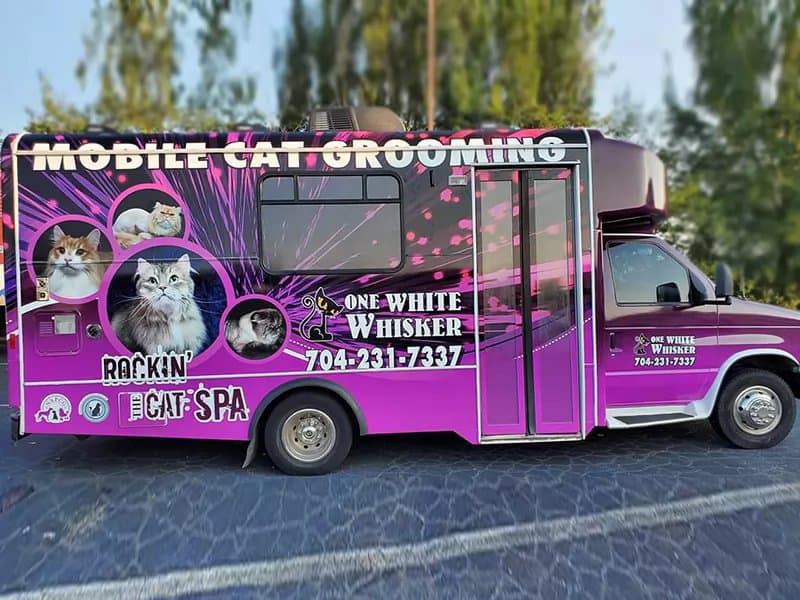
Have you ever wondered why certain vehicle wrap designs catch your attention while others seem to fade into the background? The secret might just be in the colors used. In this blog post, we’ll delve into the world of color psychology in vehicle wraps and explore the fascinating messages they convey to your audience.
The Impact of Colors on Brand Identity
Colors are a fundamental aspect of your brand identity. They can evoke emotions, communicate your brand’s personality, and make a memorable impression. When choosing the colors for your vehicle wraps, it’s essential to understand the psychological effects they have on your target audience.
Colors and Their Meanings
Let’s take a closer look at some common colors used in vehicle wraps and the messages they convey:
- Red: Bold and energetic, red symbolizes passion, excitement, and urgency. It’s ideal for brands looking to create a sense of urgency and make a powerful, attention-grabbing statement.
- Blue: Trustworthy and dependable, blue is often used by brands that want to convey professionalism and reliability. Lighter blues can represent tranquility and calm, making them suitable for healthcare and wellness brands.
- Green: Green is associated with nature, health, and growth. It’s a popular choice for eco-friendly brands and businesses promoting sustainability.
- Yellow: Yellow exudes positivity, optimism, and warmth. Brands looking to evoke a sense of happiness and friendliness often opt for this vibrant color.
- Black: Black represents sophistication, luxury, and power. It’s a common choice for high-end automotive brands and businesses aiming to convey exclusivity.
- White: White is associated with purity, simplicity, and cleanliness. It’s an excellent option for healthcare, tech, and lifestyle brands seeking a minimalist, fresh look.
- Orange: Energetic and playful, orange is often used by brands that want to convey a sense of fun and enthusiasm. It’s eye-catching and great for brands targeting a younger demographic.
- Purple: Purple signifies creativity, spirituality, and imagination. It’s often seen in brands that want to evoke a sense of luxury or inspire creativity.
Color Combinations
Brands often use a combination of colors in their vehicle wraps to convey a broader message. For instance, a fast-food chain may use red and yellow to create a sense of urgency and happiness. A tech company might opt for blue and white to appear dependable and modern.
Case Studies in Color Psychology
Let’s explore some case studies to see how color psychology works in the real world:
- Food Delivery Fleet: A food delivery company opted for bright green and white vehicle wraps. The green symbolized freshness and eco-friendliness, while the white connoted cleanliness. The combination successfully attracted environmentally-conscious consumers looking for fresh and clean food options.
- Luxury Car Manufacturer: A luxury car brand chose black and gold for its vehicle wraps, combining sophistication with opulence. The wraps communicated both power and exclusivity, attracting buyers who wanted to make a statement.
- Tech Startup: A tech startup used a blend of blue and orange to create a youthful and dependable image. This combination conveyed innovation and energy, attracting a younger, tech-savvy audience.
Conclusion: Mastering the Art of Color Psychology
Understanding color psychology in vehicle wraps can be a game-changer for your brand. By selecting the right colors, you can communicate specific emotions, values, and qualities. Whether you aim to appear energetic, trustworthy, eco-friendly, or luxurious, the colors you choose for your vehicle wraps can significantly impact how your brand is perceived. Mastering the art of color psychology allows you to convey the precise message you want to share with your audience and create a lasting impression. Contact us today!

 Tier One Graphics
 Tier One Graohics
